
















Overview
Shifting to a different country after retirement is a luxury that everyone wishes for. However, it’s not that easy. You need to make the right decision and choose the right country to live your life in. Keeping that in mind, Malta is an island in the middle of the Mediterranean – offering an amazing opportunity for retirees who want to to spend their remaining years in Malta.
For such people, there’s the Malta Retirement Visa. A Visa that can help you turn your retirement dreams to reality.
Let’s get you up to speed with all the essentials about the Malta Retirement Visa, from the qualifying conditions, to the application process, medical care arrangements, up to citizenship.
What is the Malta Retirement Visa?
The Malta Retirement Visa is however part of the Malta Retirement Program (MRP) that was put to entice retirees from all over the world to spend your retirement in Malta. This type of visa gives a certain status for residency and a variety of tax incentives to retirees who meet certain requirements.
It becomes a perfect kind of solution for elderly coming from outside the European Union who want to live the rest of their life peacefully in a country known for its amazing climate, welcoming people and remarkable healthcare facilities.
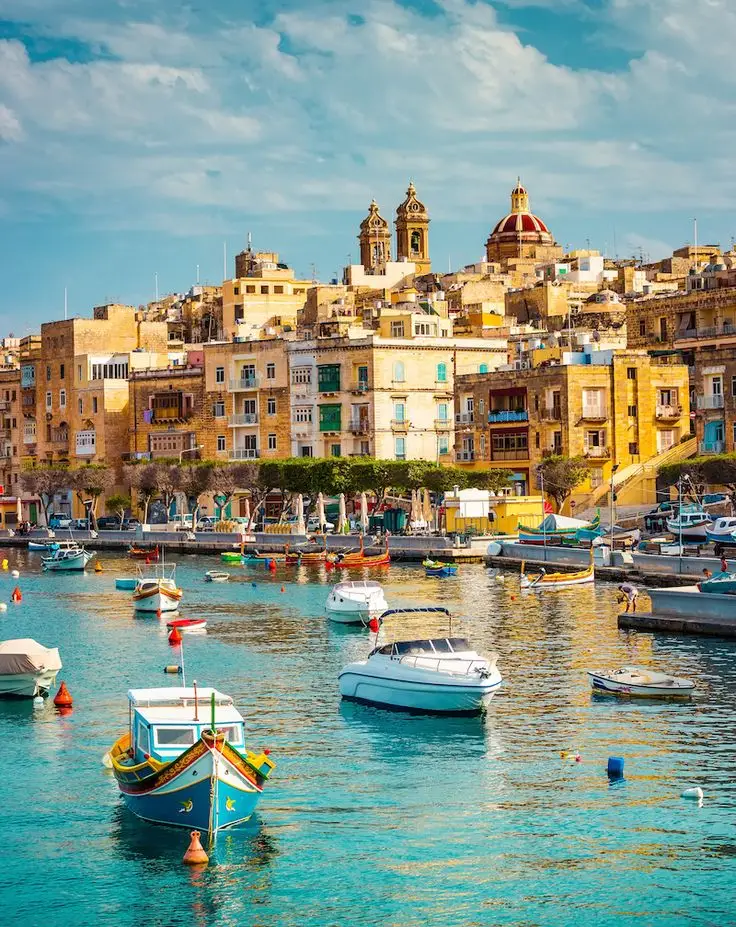

Why Retire in Malta? Malta Retirement Visa Benefits
For retirees seeking an ideal destination, Malta stands out for many reasons:
Tax Advantages: Foreign income remitted to Malta is taxed at a flat rate of 15% with the retired individuals being the main beneficiaries from this measure. However, any profits arising from a capital asset located overseas are not subject to tax in Malta, a factor that makes the country popular with pensioners with investments.
Perfect Climate: Being one of the Mediterranean countries, Malta has more than enough sunshine with approximately over 300 days per year- definitely something retirees desire.
Access to Healthcare: The statutory healthcare of the Maltese Islands is ranked among the best in the world and if any of the retiring facilities wish to obtain an excellent medical service Malta is the place to be. People with private insurance also have access to a number of other healthcare choices too.
Five-Year Residence Permit: The visa provides a residence permit which can be renewed for the same period of five years provided that the requirements for this are fulfilled.
Schengen Zone Access: Holders of a Schengen visa are allowed to move freely within the area comprising the Schengen states for up to ninety days within a period of one hundred and eighty days at most.
Permanent Residency: The Malta Retirement Program includes a step through which one can apply for a permanent residence as long as the requirements are met.
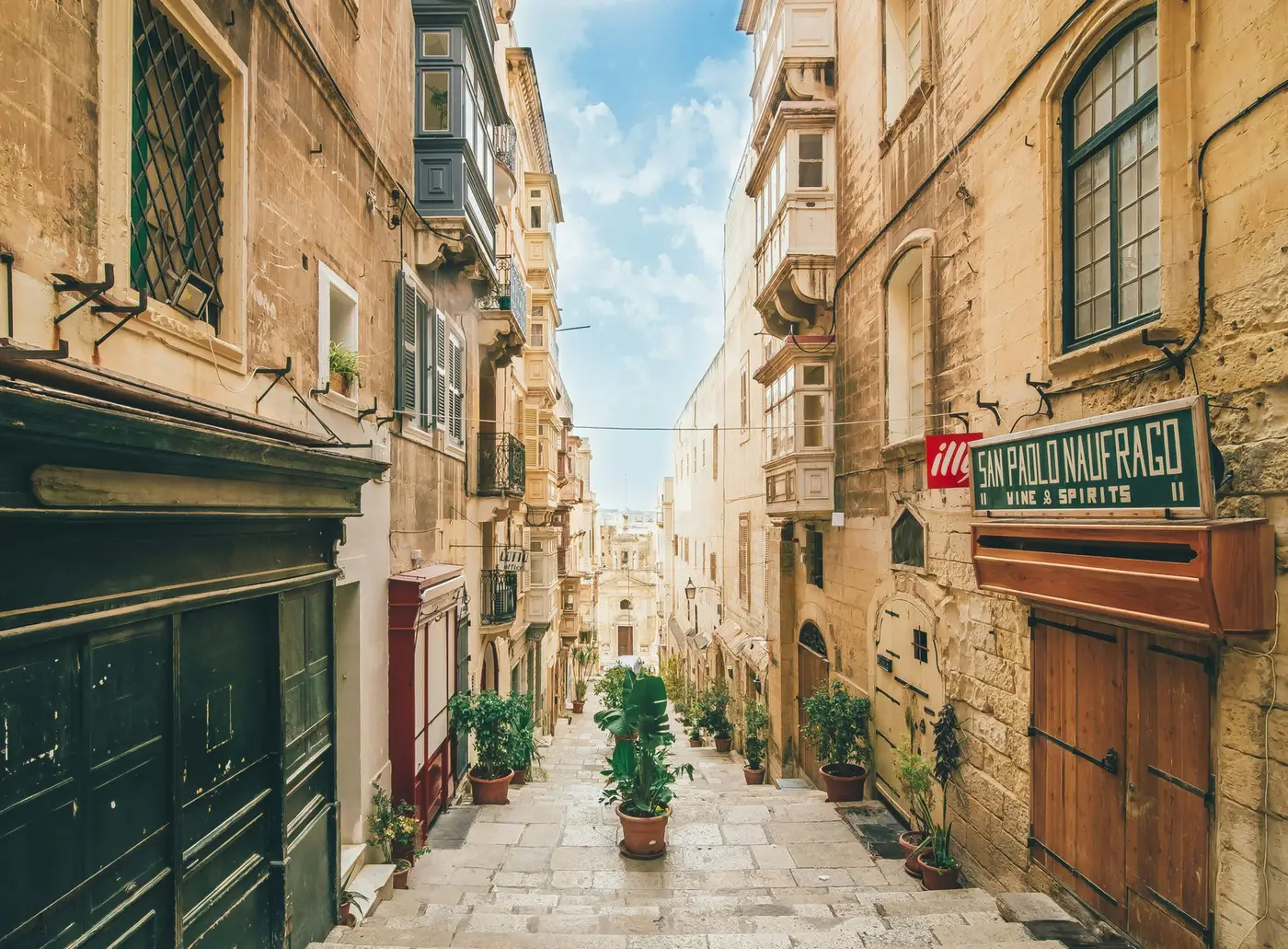
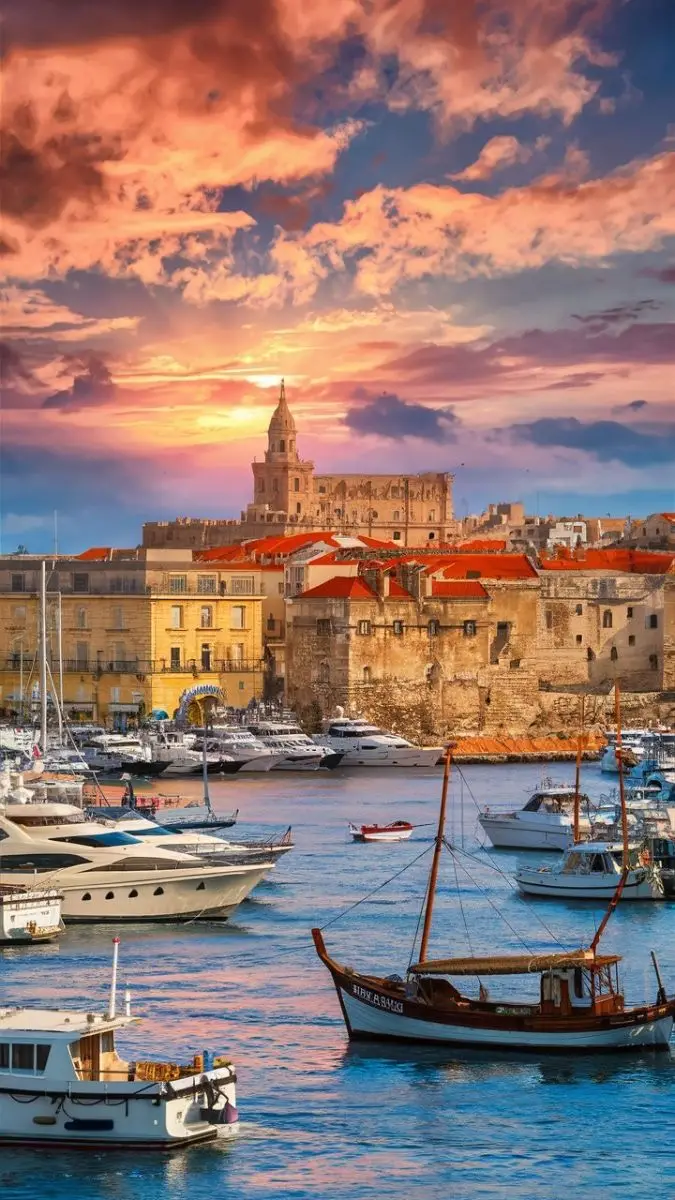
Malta Retirement Visa RequirementsHow to Qualify?
To qualify for a Malta Retirement Visa, there are several requirements that you must meet:
- Retirement Age: Any applicant born after the 1 st of January in 1962 must be not less than sixty-five years in age. If you were born on 1st January 1962, the earliest you can start taking an early pension is 61.
- Accommodation: A Malta based or Gozo based house of your own or renting a house is mandatory. The property must meet the following criteria:
-Minimum capital investment which must be the original gross purchase value of an enterprise is not less than €275,000 (€220,000 in Gozo and South of Malta).
-Housing used for rental purposes must be rented for an amount not less than € 9,600 per year (€ 8,750 in Gozo, and in the South of Malta).
- Retirement Income: Over 75% of your retirement income should come from your pension and you are not allowed to work.
- Health Insurance: You require having private medical insurance for treatment and the cost of healthcare in Malta.
- Administrative Fee: Non Europeans are required to make a payment of 2500 Euros which is charged for administrative costs while processing the application.
- Non-Schengen Residency Rules: As one wanders in Malta with the Malta Retirement Visa, then he or she is forbidden to be in any other Schengen area other than Malta for over six months or less than 90 days in the same year in Malta.
- Clean Criminal Record: Clear Certificate of the criminal record from the applicant’s home country is required.
- Good Health: A health certificate to the effect that you are fit to undergo treatment is also necessary for entry.
These requirements make certain that the retirees arriving into Malta are financially sound, healthy and desirous to live in Malta.

Not sure how this fits your strategy?
A focused consultation to assess your objectives and shortlist the right options.
Best Cities to Live in Malta
Malta, with its Mediterranean allure and compact size, offers a diverse selection of cities and towns, each with its own unique character and appeal.
From vibrant urban centers to quiet coastal villages, there’s something for everyone, whether you’re a professional, a retiree, or a family seeking a relaxed lifestyle.
Here’s a quick look at some of the best places to live in Malta, each providing a distinct blend of culture, convenience, and community.
- Valletta: The capital and a UNESCO World Heritage Site, ideal for history lovers with baroque architecture, rich culture, and coastal views.
- Sliema: Popular among professionals and digital nomads, with a vibrant waterfront, shopping centers, and a bustling café culture.
- St. Julian’s: Known for nightlife and entertainment, especially in Paceville, attracting younger residents and those who enjoy a lively social scene.
- Mellieħa: Located in the north, offering beautiful beaches, a family-friendly environment, and a relaxed lifestyle close to nature.
- Marsaxlokk: A traditional fishing village with a peaceful vibe, colorful boats, and a weekly market, perfect for those seeking authentic Maltese life.
- Gozo: Malta’s sister island, ideal for a rural escape with scenic countryside, historic sites, and a slower pace of life.
Each of these locations offers unique living experiences, from bustling urban centers to serene, nature-filled escapes.

Cost of Living in Malta
The cost of living in Malta is moderate compared to other Western European countries, although it can vary by location. In bustling cities like Sliema and St. Julian’s, where demand is high, rent and property prices are generally steeper, with one-bedroom apartments often ranging from €800 to €1,500 per month.
Valletta, the capital, is also on the higher end, although slightly more affordable than major cities in neighboring countries.
For a more economical lifestyle, areas like Mellieħa and Gozo offer lower rental costs, with similar apartments ranging from €600 to €1,000. Groceries, utilities, and transportation are reasonably priced, while dining out is affordable, especially at local restaurants and cafes.
Malta’s public healthcare system provides quality care at low costs, further reducing living expenses. Overall, Malta offers a balanced cost of living with high quality of life, appealing to both locals and expats looking for Mediterranean living at a manageable price.
Pathway to Malta Citizenship
The Malta Retirement Program does not offer the applicants Maltese citizenship but residents can get this after staying in the country for 18 years. Nonetheless, for the individuals requiring a shorter time to get the citizenship, Malta’s Citizenship by Investment Program is the way to go.
In this program, any person who has made an investment to Malta by way of donation, investment or property, can apply for citizenship once he has spent physically minimum 12 months or 36 months in Malta.
Contact our team to learn more.
The Application Process
Application Process: How to Get Your Malta Retirement Visa
Step 1: Initial consultation with Lincoln Global Partners
This should be your first step so that our team can do a comprehensive review of your eligibility and help you understand all the options available at your disposal to qualify for a resident permit in Malta. You will also get a clear idea of the extent of due diligence and preliminary preparation required to ensure minimal complications at a later date.
Step 2: Gather Documents up
Ensure that all the necessary documents are prepared, including:
-
- Valid passport with at least two blank pages and validity for three months beyond your stay.
- Completed application form.
- Proof of health insurance.
- Recent bank statements showing financial stability.
- Proof of retirement income or pension income.
- Criminal record certificate.
- Proof of property purchase or rental agreement.
- Medical certificate confirming good health.
- Passport-sized photos (6 copies).
Step 3: Application Submittance
Submit your visa application in person at the Maltese Embassy in your country. Be prepared for a possible interview, and always ensure that documents requiring apostilles or translations into English are correctly prepared.
Step 4: Pay the Visa Fee
The application fee is €2,500, which must be paid upon submission of the application.
Step 5: Await the Decision
The processing time usually takes around three months but can vary based on the volume of applications and specific circumstances.
Step 6: Collect Your Visa
Once your application is approved, you will receive your Maltese residence permit.

Alternative Residency Options in Malta
In addition to the Malta Retirement Visa, there are other residency programs available for individuals interested in relocating to Malta:
Global Residence Program: Meant for the high earners from countries outside the EU and so as to enjoy a low tax of 15% on income remitted to Malta. This program has rather loose requirements concerning the age and expected income of participants compared to the retirement program.
Malta Permanent Residence Program: Like retirement visas designed for seniors but less selective, allowing work and other income sources, and resulting in permanent permits more straightforwardly.
Applying With Lincoln Global Partners
As for those who are planning to participate in the Malta Retirement Program, it is necessary to address specialists such as Lincoln Global who are dealing with the immigration and obtaining residency issues.
Finally, gaining the service of a competent financial advisor is very useful since all the documents and requirements will be correctly processed, thereby avoiding stress caused by rejection by the immigration authorities.
Lincoln Global Partners: Apply with us today!
Lincoln Global Partners is an international immigration consultancy firm that specializes in Residency and Citizenship programs. Our team of specialised consultants will help you throughout the journey, including the question whether this is the right program for you in the first place. With us by your side, you will be assured of our best efforts in helping you have a great experience in quickly qualifying for residence in Malta from your home country.

Find the right answer
Malta Retirement Visa : Frequently asked Questions
Can I work while on a Malta Retirement Visa?
No, retirees cannot engage in full-time employment but may hold non-executive positions in organizations.
Is private healthcare mandatory for Malta Retirement Visa holders?
Yes, private health insurance is required for visa holders.
How long does the Malta Retirement Visa last?
The residence permit is valid for five years and can be renewed.
Can I travel to other EU countries with a Malta Retirement Visa?
Yes, visa holders can travel within the Schengen area for up to 90 days within a 180-day period.
What happens if I don’t meet the property value requirements?
Failure to meet property value or rental requirements may result in the refusal of the visa application.

Last reviewed 21 September 2026.
This guide is general information, not legal, tax or immigration advice. Programme terms are set by the relevant government and can change; confirm any figure with the authority, or with us, before acting on it.