














Until April 2025, Malta was the only EU member state that granted citizenship through direct investment: a contribution of €600,000 or €750,000 to the National Development and Social Fund, a property purchase or lease, and a €10,000 donation led to a Maltese passport after 12 or 36 months of residence. That route no longer exists. The Court found that the scheme reduced the acquisition of nationality to a commercial transaction, and Malta repealed the investment provisions of its Citizenship Act later in 2025.
What replaced it: citizenship by merit
Malta now grants citizenship for exceptional services only through its citizenship-by-merit provisions, which predate the investment scheme. The Minister may grant citizenship to a person who has rendered exceptional service to Malta or to humanity, or whose contribution is of exceptional interest to the Republic, in fields such as science, research, sport, culture or philanthropy. There is no investment amount, no published threshold and no application window: decisions are discretionary and assessed case by case by the Community Malta Agency, which does not permit the route to be marketed or promoted. It is not a programme, no adviser can sell access to it, and Lincoln Global Partners does not offer it.
What still works in Malta
- Malta Permanent Residence Programme (MPRP): permanent residence for non-EU nationals through a property purchase of at least €375,000 or a lease of €14,000 a year, plus government contributions and a €2,000 donation. Unaffected by the ruling.
- Global Residence Programme: tax residence with a 15% flat rate on foreign income remitted to Malta.
- Malta Retirement Programme: for pensioners, with the same 15% rate.
None of these grants citizenship. Long-term residents can apply for naturalisation under the ordinary rules of the Citizenship Act, which require years of residence and genuine ties to Malta, and remain discretionary.
If your goal is an EU passport
No EU country sells citizenship any more: Cyprus closed its scheme in 2020, Bulgaria in 2022 and Malta in 2025. The remaining route is residency by investment followed by naturalisation over time. Portugal, Greece, Italy, Hungary and Latvia run golden visas; see our Europe golden visa comparison. Outside Europe, the Caribbean and Pacific programmes still grant citizenship directly, and several of those passports include Schengen access without a visa. What the Maltese passport itself opens, from the United States to Japan, is on our Malta passport visa-free countries page.
About the rest of this guide. The sections below describe how the Maltese Exceptional Investor Naturalisation (MEIN) programme worked between 2020 and April 2025: its contributions, property requirement, timelines and eligibility rules. They are kept for reference and for applicants whose files were already in progress. The figures are historical and cannot be used to apply.
The Maltese Citizenship Act
The Maltese Citizenship Act governs the acquisition, loss and renunciation of Maltese citizenship, including naturalisation based on descent, marriage, long residence and exceptional services. From 2020 to April 2025 it also housed the Maltese Exceptional Investor Naturalisation (MEIN) provisions, which allowed high-net-worth individuals and their families to obtain citizenship by contributing at least €600,000 (or €750,000 for a faster process) to Malta's National Development and Social Fund, holding a residential property in Malta for at least five years and donating €10,000 to a registered Maltese non-governmental organisation, after a stringent due diligence process. Those provisions were repealed after the Court of Justice ruling. What remains in the Act is the discretionary merit route described above.

Why Malta Still Attracts Investors
Before April 2025 this section made the case for buying into Malta. The case for Malta as a place to live, bank and do business still stands; what changed is that citizenship can no longer be bought. The Community Malta Agency, which ran the investment scheme, now handles ordinary naturalisation and the merit route only.
What the Former Programme Offered (2014 to 2025)
Corporate effective tax rates as low as 5% through refund mechanisms
Visa-free access to Schengen Area
Travel through the entire 26 country Schengen zone and stay for up to 3 months at a time with your Malta residence permit.
Passed on to future generations
Double taxation agreements with over 80 countries
No inheritance tax
Rights to establish a business in Malta
As a permanent residence holder you will have the right to start and operate a business in Malta.
Include your dependents
Include up to four generation of dependents on your Malta permanent residency application.
Mediterranean lifestyle
Enjoy all the perks of high quality healthcare, education and a comfortable lifestyle with your Maltese residency.
Benefits Of Malta Citizenship
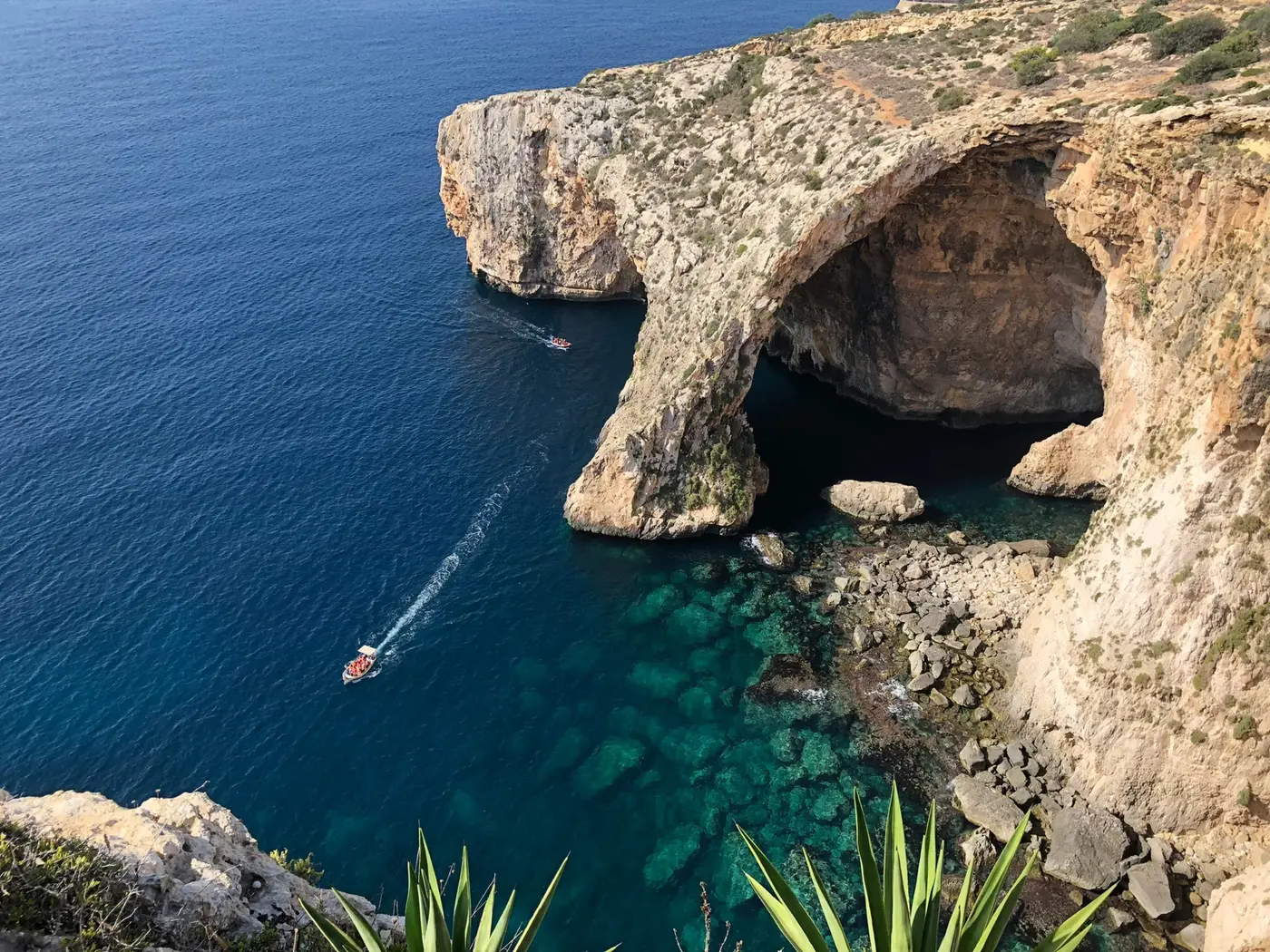
As discussed, the benefits of a Malta passport extend far beyond travel freedom, (read also - Malta Global Residency Program Guide: Tax Residency on Blockchain Island!). The Maltese healthcare system ranks among Europe's best so citizens receive full access to public healthcare and education across the EU, not just in Malta. With Maltese parents, your children born abroad or born in Malta can attend top European universities while paying local tuition rates, which are minimal compared to higher education costs in the United States. From a business perspective, Malta's strategic location and banking sector make it an ideal base for European operations. Malta is often called the "blockchain island" for its crypto-friendly regulatory framework and embrace of the Bitcoin ecosystem. Furthermore, the country's tax system offers significant advantages for international investors: -Corporate effective tax rates as low as 5% through refund mechanisms -15% tax rate on foreign income for retirees who meet specific criteria -Double taxation agreements with over 80 countries -15% tax rate on foreign income received in Malta -No foreign income tax unless remitted to Malta -No inheritance tax -No wealth tax Despite the investment requirements, acquiring Malta citizenship can often save investors money. Beyond these tangible benefits of life in Malta, the island offers an enviable Mediterranean lifestyle for those considering relocation. With over 300 days of sunshine annually, history spanning 7 centuries and a strong growing expat community, Malta provides a quality of life that competes with any other European country.
Comparing European Residency By Investment Programs And Golden Visas
One reason is speed. The Maltese Citizenship Act established the Malta citizenship by investment program, (read also: Malta Permanent Residence Programme Guide) in 2014. Thus began the pathway to Maltese passport via direct investment, rather than through a residence permit then naturalisation. Instead of waiting more than five years, visiting the country frequently and establishing significant ties with the country's economic development as is required by these European residency programs, Malta's citizenship by investment program requires only a single direct investment in the country. Then foreign nationals can become Maltese nationals in under twelve months. As a Maltese citizen you get faster access to full European Union citizenship rights, something no Caribbean or Pacific citizenship program can match. With citizenship in an EU country, one has the right to live, work, study, bank, invest, receive visa-free travel and access healthcare in any of the 27 member states. Becoming a Maltese national and EU citizen is appealing to many for these regional benefits. While EU country golden visa programs like Portugal's and Italy's (you might also be interested in: Italy Golden Visa Investments) offer residence permits with a long path to naturalisation, Malta's program provides a direct route to citizenship through exceptional services by direct investment.
Comparing Caribbean And Pacific Citizenship by Investment Programs
Caribbean citizenship by investment programs (read also: Caribbean Citizenship-by-Investment) start at a $200,000 donation or real estate investment. Malta's path to citizenship requires more investment but delivers exceptional value that extends far beyond dual citizenship in Europe. Those who invest in dual citizenship in the Caribbean (Antigua & Barbuda, Dominica, Grenada, St Kitts & Nevis or St Lucia) or Pacific (Vanuatu and Nauru) rarely end up residing in the islands. They merely want a second passport for the "insurance policy." The numbers tell the story. Malta passport holders enjoy visa-free travel to over 180 countries, including the United States, Canada and the entire European Union. Compare this to Caribbean passports, which typically offer access to just 130-145 countries. Plus, citizens of Malta typically use their second passport to live, work, bank, and invest in Europe, a powerful benefit that a Caribbean or Pacific citizenship by investment program can't compete with, (read also: The Ultimate Caribbean Citizenship-by-Investment Comparison Guide: Best & Cheapest Passports for 2025).
Investing In Malta
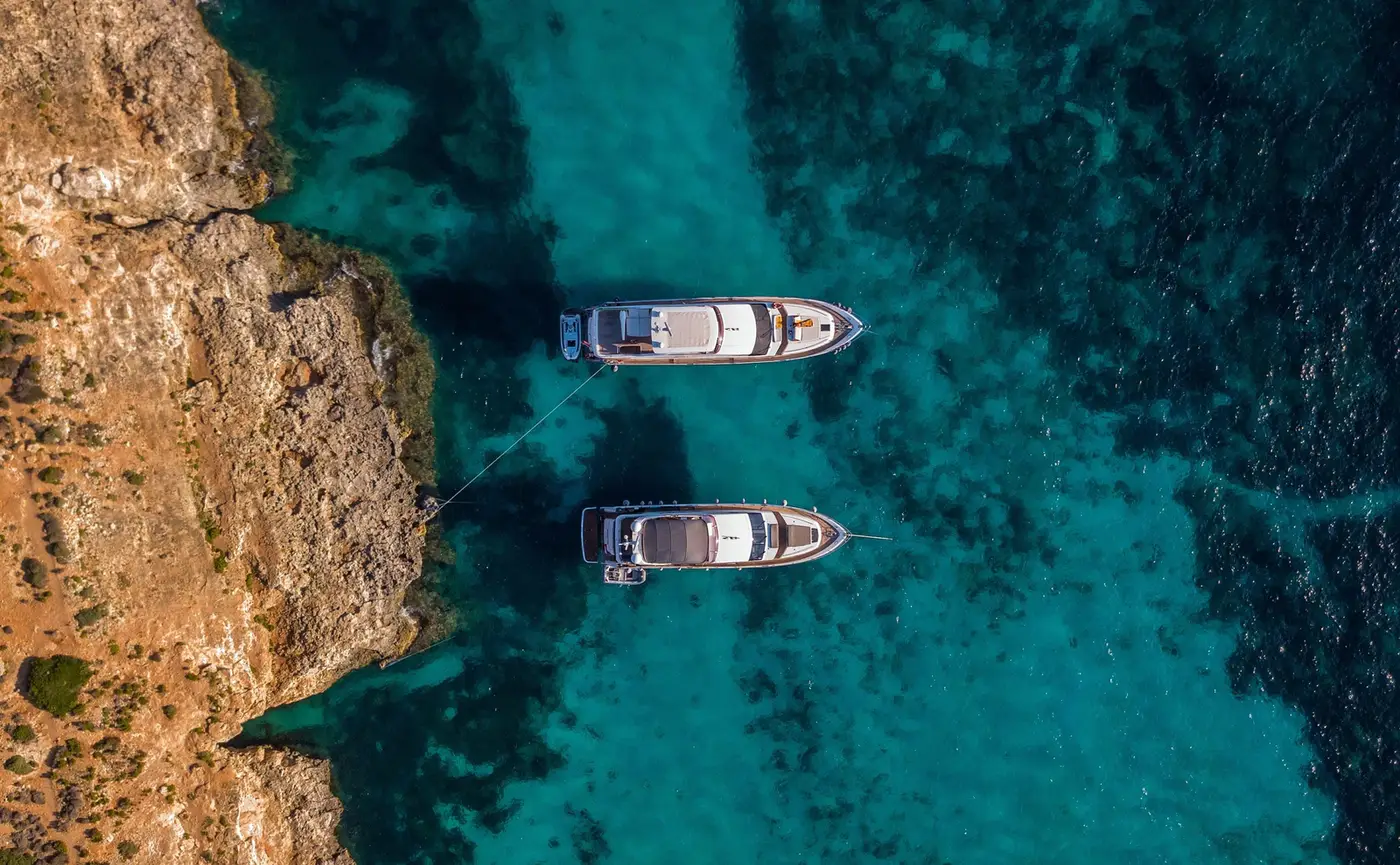
Malta's property market has some compelling opportunities for global investors. With a €700,000 (or €16,000 annual lease) minimum residential property purchase requirement for citizenship, the Maltese citizenship program offers investors lots of options. Luxury real estate in prime locations has shown consistent appreciation. In 2024 luxury property values grew 9%. Popular areas like Sliema, Gzira and Msida can offer strong rental yields and capital growth potential, if an investor chooses the property purchase investment route of the citizenship application. Even if they choose to hold a five year lease of a property, these regions of Malta are still ideal due to their proximity to business and entertainment centres. Maltese banks, known for their stability and crypto-friendliness provide citizens with access to local and international banking services. Major banks offer wealth management solutions and Malta's EU membership means your banking and investment rights extend across Europe, not just in Malta. Looking to understand how these benefits align with your financial and mobility goals? Malta's citizenship by investment program may be a good fit for your second citizenship search. With exceptional services, Lincoln Global Partners can help you navigate the citizenship and residency landscape and choose the right investment for your and your family's needs.

Not sure how this fits your strategy?
A focused consultation to assess your objectives and shortlist the right options.
What Is The Residency Malta Agency?
The agency is the official government entity responsible for managing and overseeing residency-by-investment programs in Malta. It administers the Malta Permanent Residence Programme (MPRP), which grants non-EU nationals the right to reside permanently in Malta through a qualifying investment in Malta, such as property rental or purchase, government contributions and financial asset requirements. The agency ensures that all applicants undergo a thorough due diligence process to maintain the integrity and security of the program. Additionally, it provides guidance on Maltese residency regulations, compliance and application procedures making it the primary authority for individuals seeking long-term residence in Malta.
How the Former Programme Worked: Requirements and Process (2020 to 2025)
This is how the repealed programme was structured. None of it can be applied for today.
Donation
The Community Malta Agency manages the program, officially known as “Citizenship by Naturalisation for Exceptional Services by Direct Investment.” At its core, the program requires a contribution to Malta’s National Development and Social Fund.
First, an investor must choose whether they want to reside in the country for 12 months or 36 months. If they opt for the accelerated route, the required donation is €750,000 plus additional costs outlined below. The investor must contribute to the social fund €600,000 if they choose the 36-month residency period.
Real estate purchase or lease
Beyond the non-refundable contribution, investors need to invest in residential property through either a property purchase or a five-year lease of €16,000 per annum. If the investor chooses to purchase residential property, the Maltese government requires the property value at €700,000 or more. This minimum investment in real estate must be maintained for five years after obtaining citizenship.
Additionally, Malta’s Citizenship by Naturalisation for Exceptional Services by Direct Investment requires a €10,000 donation to a registered Maltese charity or non-profit.
Thus, the minimum investment to obtain citizenship in Malta is €626,000 plus legal and processing fees.
Note: The Malta citizenship program includes clauses that prohibit the subleasing of purchased property during the mandatory holding period.
The Maltese government maintains the program’s prestige by limiting approvals to 400 families annually. In total, this version of the citizenship by investment program will accept 1,500 applicants and their dependents. Ensuring your loved ones can share in the lifelong benefits of EU citizenship, family members can join an investor’s application for additional contributions.
What makes Malta’s process unique is its commitment to creating suitable citizens, not just accepting investments. Before the citizenship application, the required residence permit exists to demonstrate genuine links to Malta and “naturalisation for exceptional services by direct investment.” Each step, from the initial application to the required residency period to the final oath of allegiance, is designed to ensure that to acquire citizenship, new Maltese citizens must contribute significantly to the country’s economic development.
GLOBAL MIGRATION SOLUTIONS
Interested in a free consultation with one of our specialist residency & citizenship by investment advisors?
Former Eligibility Criteria (Historical)
Who can invest in Maltese nationality? The Maltese government welcomes those of non-EU foreign citizenship aged 18 and above who can demonstrate a clean criminal record and verifiable wealth sources. Unlike some citizenship programs, a thorough due diligence process ensures only citizens suitable for Malta citizenship by naturalisation (i.e. "genuine links") receive approval. To prevent issues with the European Union and international criminal courts, the Community Malta Agency thoroughly reviews each applicant's background, including criminal checks across multiple jurisdictions and comprehensive financial verifications of future Malta citizens.
Family member inclusion
Family members can join your dual citizenship journey. Your spouse, children under 18, and qualified adult dependents are eligible for inclusion in your application. Each family member must have health insurance and maintain coverage throughout the application process.
A relevant note for an investor after they’re granted Maltese citizenship: Any person born to Maltese parents or either a Maltese father or a Maltese mother can claim Maltese citizenship, regardless of whether they’re born in Malta or not.
Societal integration
A distinctive feature of Malta’s citizenship program is its commitment to integration. While there’s no formal language test, applicants should demonstrate proficiency in the widely spoken English language or basic proficiency in Maltese, which is similar to Arabic.
The Maltese government also expects potential citizens to show genuine links to the country during their mandatory residency period pre-citizenship, whether through social, cultural or business connections.
The journey to obtaining Maltese citizenship starts with proving legitimate wealth sources. The Community Malta Agency and Maltese legislation require clear documentation of income streams, business interests and investment sources. This thorough verification process maintains the program’s integrity and the Maltese citizens’ value.
Can US citizens have dual citizenship with Malta?
Yes, US citizens are allowed to have dual citizenship with Malta.
Malta Citizenship Process
This was the process under the repealed programme, kept for reference.

Documentation preparation
The Community Malta Agency requires birth certificates, marriage certificates, passport copies, proof of wealth, professional references and police clearance certificates from every country you've lived in, over six months. Each document must be apostilled and authenticated, ensuring its validity for your citizenship application. The application process unfolds in distinct phases:
Phases of Malta citizenship by investment programme
- Phase 1 starts with submitting your initial application and paying the due diligence fee. The Community Malta Agency then conducts its stringent due diligence process, typically lasting 3-4 months. During this time they verify your documents, assess your background and evaluate your potential as a future Maltese citizen.
- Phase 2 begins after due diligence process approval. You’ll receive your Malta residence permit and start your qualifying residency period, either 12 or 36 months, depending on the chosen investment level. During this time, you’ll make your contributions to the National Development Fund and fulfill your residential property purchase or confirm a five-year property lease.
- The final phase transforms your residence permit into citizenship and a Malta passport. After completing your qualifying period and making all required investments, you’ll take the oath of allegiance. This ceremonial moment officially grants you Maltese citizenship, welcoming you as a full member of the European Union with all its benefits.
Complete timeline to Maltese citizenship by investment programme
From initial application to citizenship approval, expect 14-18 months with the accelerated option or 38-42 months with the standard route. Remember, becoming a citizen of Malta is about gaining access to unprecedented opportunities across Europe. So in many ways, it can still trump other residence permits and citizenship by investment options elsewhere.
What questions might you have about this transformative process? Let’s address the most common questions about Malta’s Citizenship by Naturalisation for Exceptional Services by Direct Investment.
Naturalization certificate
In Malta a naturalisation certificate is an official document issued by the government, confirming that an individual has been granted Maltese citizenship through naturalisation.
This certificate serves as legal proof of citizenship and is required for obtaining a Maltese passport. Applicants who acquire citizenship through Maltese Exceptional Investor Naturalisation (MEIN) or other naturalisation routes must first complete all legal requirements, including residency obligations and a due diligence process, before receiving their certificate.
Once granted, the certificate provides full rights as a Maltese citizen, including the ability to live, work and travel freely within the European Union.
Other residency programs in Malta citizenship by investment
The Malta Permanent Residency Program
The Malta Permanent Residence Programme (MPRP), often referred to as the Malta Golden Visa, is a highly sought-after investment program that grants non-EU nationals the right to obtain Maltese residency through qualifying investments. This program provides permanent residency, allowing visa-free travel within the Schengen Zone and offering an attractive base within the European Union.
Key Benefits of the Malta Golden Visa:
• Permanent Residency: The right to reside indefinitely in Malta.
• Schengen Area Access: Visa-free travel within Schengen countries for up to 90 days in a 180-day period.
• Family Inclusion: Spouses, children, parents and grandparents can be included under one application.
• No Physical Stay Requirement: No mandatory minimum residence period in Malta.
• High Quality of Life: Access to excellent healthcare, education and a favourable tax system.
Investment Requirements:
To qualify for Maltese residency, applicants must meet specific financial criteria including:
1. Property Investment: (Choose one option)
• Purchase: Buy real estate with a minimum value of €375,000 in Malta or €300,000 in Gozo or the southern regions.
• Rental: Lease a property with a minimum annual rent of €14,000 in Malta or €10,000 in Gozo or the southern regions.
2. Government Contribution:
• €28,000 if purchasing property
• €58,000 if renting a property
3. Philanthropic Donation: A mandatory donation of €2,000 to a registered Maltese NGO.
4. Financial Assets: Applicants must show ownership of at least €500,000 in assets, with a minimum of €150,000 in financial investments.
Due Diligence Process:
All applicants must pass a rigorous due diligence check to ensure compliance with financial and legal requirements. This process assesses the applicant’s background, financial sources and reputation to maintain the program’s integrity.

Can Lincoln Global Partners Help With Malta?
Not with citizenship: there is no investment route left, and the merit route cannot be marketed or brokered. We do advise on the Malta Permanent Residence Programme, the Global Residence Programme and the Retirement Programme, and on residency-by-investment programmes elsewhere in the EU that lead to naturalisation over time.
Talk to Us About Residency in Malta
Lincoln Global Partners, an international investment migration firm, can assess whether the MPRP or another European route fits your goals.

Find the right answer
Malta Citizenship By Investment : Frequently Asked Questions
How much did Maltese citizenship by investment cost?
Before the scheme closed in April 2025, the total investment ranged from €600,000 in government contributions, plus property investment (€700,000 purchase or €16,000 annual rent), a €10,000 charitable donation, as well as legal and processing fees. Family members paid additional fees.
How long did the process take?
Under the repealed programme, the path to citizenship took 14-18 months with the accelerated option (€750,000 contribution) or 38-42 months with the standard route (€600,000 contribution).
Can I include my family in the application?
Yes, your spouse, children under 18 and qualified adult dependents can be included in your citizenship application. Each family member requires an additional €50,000 contribution to the National Development and Social Fund.
How hard is it to get citizenship in Malta?
Since April 2025 there is no investment route. Maltese citizenship is available only through ordinary naturalisation after long residence, by descent or marriage, or through the discretionary merit provisions for exceptional service, none of which can be bought.
Must I learn Maltese?
While there’s no formal language test, the Community Malta Agency expects adequate knowledge of either English or Maltese before granting citizenship. Both English and Maltese are widely spoken in Malta.
What documents do I need?
Essential documents include birth and marriage certificates, police clearance certificates, proof of wealth, tax returns, bank statements and proof of health insurance coverage.
Can I travel during the residency period?
Yes, your Malta residence permit allows free movement within the Schengen Area while your citizenship application progresses.
Can I get residency in Malta if I buy a house?
Yes, you can become eligible for Malta residency via property purchase, as long as meeting the eligibility requirements. Read more here on our guide for the Malta MPRP program.
Is Malta a member of the European Union?
Yes, Malta is a European union country and in the Schengen Zone.
Can I still become a Maltese citizen by investing?
No. The Court of Justice of the European Union ruled on 29 April 2025 that Malta's investor citizenship scheme breached EU law, and Malta repealed it. The Malta Permanent Residence Programme remains open, but it grants residence, not citizenship.
Is Malta dual citizenship allowed?
Yes, accordingly to the Malta Citizenship Act ( Cap 188, Laws of Malta), one can be granted citizenship without having to renounce one’s original passport.
Can I include dependent children?
Yes applicants can include family members. This is valid for a spouse (neutral term), children under the age of 18 or up to 29 as long as proved a dependent and parents/grandparents above the age of 55 years old.
Are there other European Citizenship By Investment Programs in Europe?
No. In 2026 no EU country grants citizenship directly for investment: Cyprus ended its scheme in 2020, Bulgaria in 2022 and Malta in 2025. Residency by investment (the golden visas of Portugal, Greece, Italy, Hungary and Latvia) can lead to naturalisation after years of residence.
Is Malta a Democratic Republic?
Yes, Malta is a Democratic Republic, with a parliamentary representation framework.
What is an exceptional direct investment?
An Exceptional Direct Investment (EDI) was the core requirement of the Maltese Exceptional Investor Naturalisation (MEIN) programme, Malta's former citizenship by investment (CBI) scheme, repealed in 2025.
It involved a non-refundable contribution of €600,000 (for a 36-month residency period) or €750,000 (for a 12-month fast-track option) to Malta's National Development and Social Fund. This investment, along with a property commitment and a €10,000 donation to a Maltese NGO, allowed high-net-worth individuals to obtain Maltese citizenship after passing a rigorous due diligence process.
What is the Maltese Government Fund?
The Maltese Government Fund, officially known as the National Development and Social Fund (NDSF), is a state-managed fund that received the contributions of the Maltese Exceptional Investor Naturalisation (MEIN) programme. It supports national projects in areas such as education, healthcare, social development and economic growth.
Applicants under the former programme had to make a non-refundable contribution to the NDSF as part of their exceptional direct investment, helping to finance initiatives that benefit Malta's long-term development.

Last reviewed 21 September 2026.
This guide is general information, not legal, tax or immigration advice. Programme terms are set by the relevant government and can change; confirm any figure with the authority, or with us, before acting on it.