

















What is a digital nomad?
People who work remotely and has a nomadic life are often referred as “Digital Nomads”. They usually take their laptops and choose a place in the world that has mainly a good an internet connection and then move there for an unlimited time. In this sense, they are “nomads” because they are constantly changing between cities and countries, but as modern nomads.
This way of life wasn’t well-known until 2020, when the COVID-19 pandemic crashed all over the world. Prior to that, there were digital nomads, but they weren’t called like that as they were not common, usually they were referred as freelancers or business owners who usually used a tourist visa. The digital nomad lifestyle turned out to me more famous since, after the beginning of the pandemic, travel was stopped and employees all over the world were forced to work remotely. In this context, tourism-dependent nations suffered as a result of these cease, leaving regular tourists stranded and unable to travel. However, when the pandemic ended, a completely new workplace emerged that changed many people’s lives and their entire world, that was the digital nomads. Nowadays, remote work oportinities are increasing worldwide, in all different areas of employment, causing governments to adapt migration laws to this new reality.
What is the digital nomad visa?
While under a Digital Nomad Visa, remote workers and normally their dependents (not all countries allows dependents to join in the application), can stay in the chose country for a longer period o time than is permitted for a tourism visa, but typically, less than what is allowed for long-stay visas. After filling innumerable requirements, that depends from each country, such as a minimum required salary (that is normally much higher than the minimum wage in the country), remote workers are granted the so dreamed digital nomad visa.
Nowadays, more than 50 countries have adopted a specific visa for the Digital Nomads, such as Greece, Portugal, Spain, Brazil and Argentina, and the list is expected to grow more in the following years, as many other countries already expressed their intentions to create their own versions of the digital nomad visa.
Portugal Digital Nomad Visa: How does it work?
Portugal has been a haven for digital nomads even before the term was coined. Remote workers often flocked to the country in the Iberian Peninsula with laptops in tow and light luggage staying on tourist visas, and doing the occasional border hop. As other European governments adapted to the new immigration trend and created variations of the nomad visa, Portugal jumped on the bandwagon. On October 30th, 2022 Portugal introduced its Digital Nomad visa, officially called visa for the exercise of professional activity remotely provided outside the national territory—article 61-B. The visa is directed at those who intend to work remotely from Portugal, either as a subordinate worker or an independent worker.The Portuguese digital nomad visa is divided into two categories depending on how long you will stay in Portugal: temporary stay visa or residence visa.
The temporary stay visa is for people who want to apply for a residence permit for up to one year with eligibility to be renewed for a second year. The temporary stay visa is for those who intend to stay in Portugal for more than 90 days (Schengen short stay tourist visa) but less than a year.
The residency visa, on the other hand, is intended for people who want to stay in the country for up to five years. Furthermore, after 5 years in Portugal on this residency visa you can apply for permanent residency and even Portuguese citizenship if you spend at least half of your time in the country each year and learn a basic level of A2 Portuguese. You will be able to live, work, and study in any European Union (EU) member country upon obtaining citizenship.
While both types provide benefits the vast majority of clients opt for the long term residency visa which allows them to reside in Portugal and continuously renew their permits based on the same conditions.
Required Documents
To apply for a Portugal digital nomad visa, whether a temporary stay visa or a long-stay residency permit, the following documents are required:
- Show proof of stable monthly income from professional activities. Applicants must make €3,280 per month for at least the last three months. The main requirement is to prove you have enough income to support yourself during your stay in Portugal. If you stay in Portugal for more than 183 days in a year, you’ll be considered a tax resident and required to pay taxes on your worldwide income. Although, you may be eligible for special tax status through Portugal’s NHR tax regime.
- Proof of the minimum income required, to be completed a statement from the Portuguese Ministry of Foreign Affairs
- Bank statements and invoices
- Open a Portuguese bank account
- Documentation proving your fiscal residence (NIF)
- Subordinate workers (employees) should submit either an employment contract or employer’s declaration proving the employment relationship.
- Independent professionals/self-employed individuals/freelancers must show either articles of association, a service provision contract or a document demonstrating services provided to one or more entities.
Additionally, those applying for a long-stay residence visa must submit proof of personal tax residence in Portugal (a 12-month lease contract registered with the tax authority).
Brazilians Applying for Portugal digital nomad visaFor Brazilians applying for a digital nomad visa in Portugal will need to submit the following document:
- Completed and signed visa application form;
- Two 3×4 photos;
- Passport valid for 3 months beyond the expected return date;
- Travel insurance covering the entire stay in Portugal or PB4;
- Criminal record certificate (with The Hague Apostille);
- Request for consultation of the Portuguese criminal record by SEF;
- Return plane ticket to Brazil;
It is worth pointing out that for member countries of the Community of Portuguese Language Countries (CPLP), such as Brazil, some documents may be dispensable (by signing a Term of Responsibility for a person who has legal residence in Portugal and who can take responsibility for the person who is applying for the visa) such as:
- Copy of the return plane ticket
- Proof of subsistence; The documents indicated are the basic documents, without prejudice to the fact that the Consular Post may reserve the right to request additional documentation. You can find all the necessary forms and documents for requesting a temporary stay visa in Portugal on the official website of the Portuguese Ministry of Foreign Affairs.
How to apply for the Portugal digital nomad visa
There are two different ways to apply for Portugal's digital nomad visa depending on the nationality of the applicant.It’s not necessary for European citizens to apply for the digital nomad visa as it’s permitted to stay in Portugal for 3 months as tourists. EU citizens can stay beyond 3 months by registering their presence at city hall to obtain a temporary residence certificate which is usually valid for five years.
Third country nationals must apply for a digital nomad visa to be allowed to stay in Portugal beyond the time tourism permits. Any foreign professional meeting the digital nomad visa requirements can apply through this visa route to live in Portugal.
The process to get the digital nomad visa is straightforward and similar to other countries offering the pathway.
Submit your visa application along with all the aforementioned necessary documents to the embassy or Portuguese consulate nearest you. If you’re already in Portugal you can submit your application to the Immigration and Border Services (AIMA). For Brazilian citizens, the application can be done through the VFS Global company which works with the Portugal Ministry of Foreign Affairs.
After arriving in Portugal, digital nomad applicants must make an appointment after AIMA. Assuming everything is according to the law, an official residence permit will be issued a few days prior to the AIMA appointment.Cost of Living in Portugal
One of the many things that attracts foreigners and digital nomads to Portugal is that it is considered one of the most cost-effective countries in Western Europe, due to its very affordable cost of living. In this sense, foreign remote workers can live comfortably and enjoy a very desirable life in the country.
Let’s break down some typical costs of necessities in Portugal.
AccommodationThe cost of a one bedroom apartment in Lisbon can range from €800 to €1000 per month, depending on the neighborhood and amenities. While prices have gone up in the past few years, it’s still relatively cheap compared to other European capitals. In smaller cities like Porto, Aveiro, Braga, and Coimbra, the cost can be even lower. And Co-living prices can vary from €300 to €600 per month throughout Portuguese less inhabited cities.
FoodWhen it comes to food, Portugal offers a wide variety of locally grown and caught foods at very affordable prices. The average cost of dining out is between €15 and €20, while more expensive options can cost between €25 and €40. Your lifestyle obviously affects how much you spend on groceries, but it’s safe to estimate that you should spend between €150 and €250 a month.
TransportationIn Portugal, public transportation is commonly available and reasonably priced. The price of a single bus or metro ticket ranges from €1.50 to €2.50. Daily commuters typically choose a €30 monthly pass that, depending on the city, enables them to use the same ticket for bus, metro, and train travel. This facilitates citizens’ mobility, particularly in large cities. Rent a bicycle for €30 to €50 a month if you’d rather have a ride.
EntertainmentDepending on your definition of fun, entertainment in Portugal can range in price. The price of a movie ticket at the theater ranges from €6 to €10. A ticket to a disco or bar can cost anywhere from €5 to €15, and a beer costs roughly €2.50 to €4. But there are plenty of entertainment options. Although some are more expensive than others, anyone on a tight budget can still enjoy themselves in Portugal.
Foreign nationals usually find Portugal to be extremely affordable, making it an attractive place to live. This is especially true for digital nomads who are employed in the U.S. and other EU countries where salaries are generous.
However, researching and planning is a must before you move. On average, an individual earning a salary of €1000-1200 per month can live comfortably in Portugal.
Best Portuguese Cities for Digital Nomads to Live
In recent years, Portugal has become one of the most popular destinations for digital nomads, according to the ranking "Índice Voyages et Travail” published by Kayak, and “NomadList." Several Portuguese cities are in the top ranking of the most suitable cities for digital nomads such as Lisbon (2nd place), Porto (4th place), Madeira Island (7th place) and Ericeira (9th place).Lisbon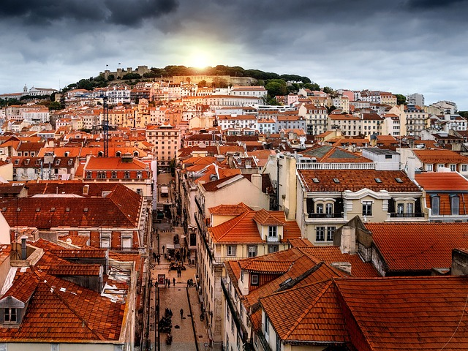
Even though Lisbon is Portugal’s most expensive city, it’s still reasonably priced, particularly when compared to other capitals in Europe. In order to accommodate the thousands of digital nomads moving to the city, the city is opening large coworking spaces, holding exciting events, and providing opportunities for people to connect with other digital nomads. A large network and community of digital nomads are being created by the initiatives. Lisbon offers a wide variety of dining and entertainment options, as well as easy access to other cities in Portugal and even other European countries.
Costa da Caparica and Sintra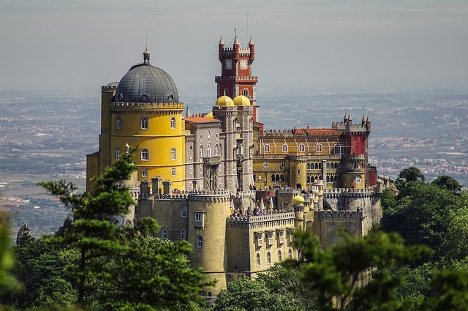
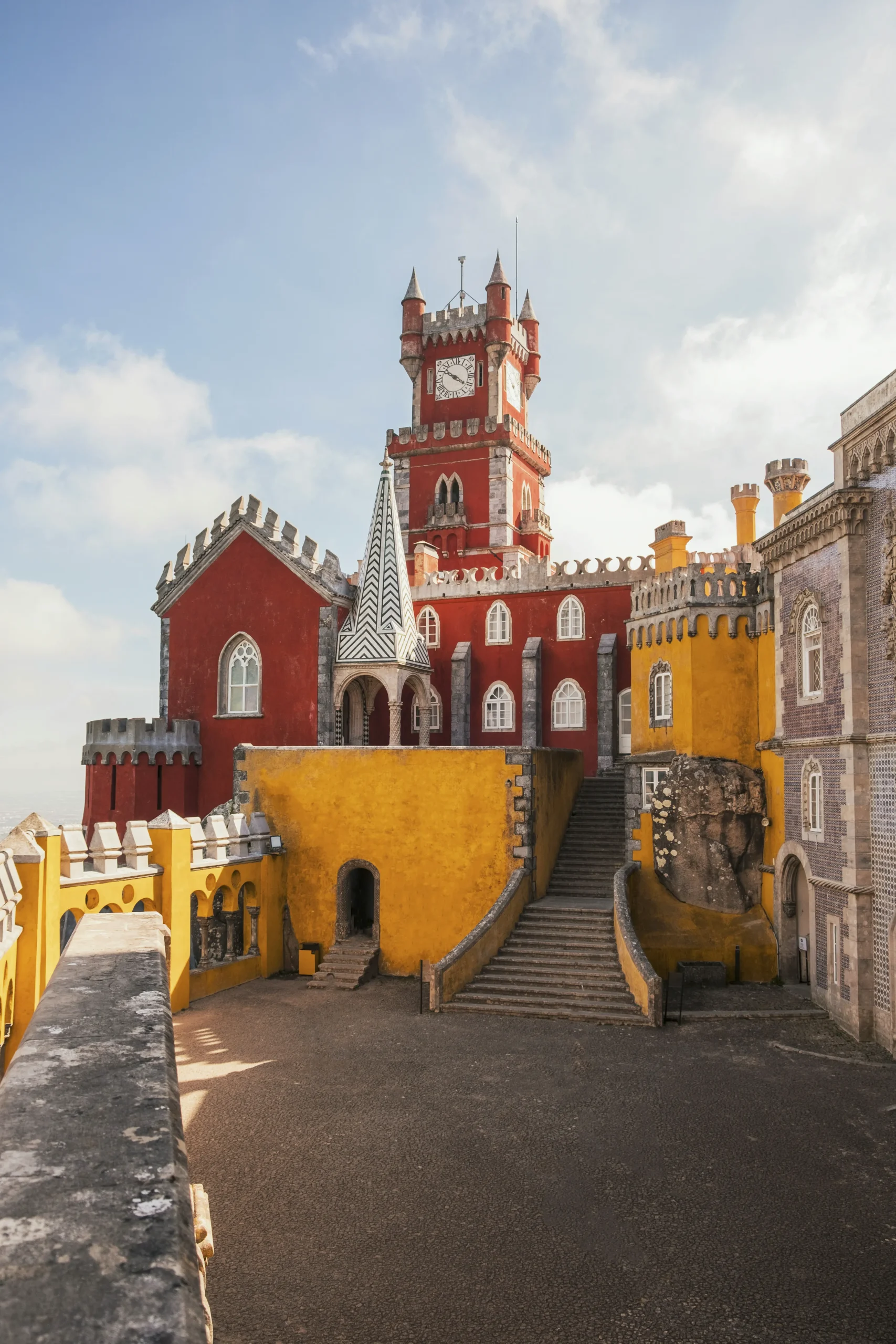
Sintra and Costa da Caparica are ideal suburban areas for those digital nomads who are seeking for something less expensive than Lisbon but still close by. The standard of living is equally high, particularly for families! Across the 25 de abril bridge, Costa da Caparica has fantastic beaches, more affordable rentals, and easy access to Lisbon by bus or train. On the other side, Sintra is an authentic Portuguese city with stunning architecture, with pleasant temperatures throughout the whole year, and one of Europe’s most colorful castles.
Porto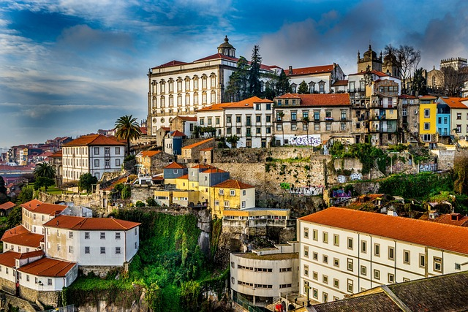
The second-biggest city in Portugal, O Porto, has an easy transportation options, an emerging tech hub well-equipped with coworking spaces, mouthwatering wine, and historical views of the Ribeira. That’s why the city has grown to be a favorite among Portugal’s digital nomads. Although the city has far more reasonably priced, the weather is a little more pleasant and milder than in Lisbon.
AveiroAveiro, sometimes referred to as “The Portuguese Venice,” is a city close to Porto, full of canals that extend outside the city limits. Spend an afternoon admiring the beauty of the city by taking a lovely canal ride on the well-known Gondulas. It’s also a growing tech hub with affordable housing. Rents range from €300 to €800, depending on the type of place you’re looking for.
BragaOne of the oldest Portuguese cities, Braga and its neighbor Guimarães date back to the Roman Empire. Known for its amazing architecture, cultural legacy, and lengthy history. After Lisbon and Porto, Braga is a popular destination for Portugal’s digital nomads. Braga is just a few miles from O Porto and has the atmosphere of a more tranquil country town. It offers a great quality of life at an affordable cost to those looking to enjoy the authentic side of Portugal.
CoimbraAlthough Coimbra is most known as the student city, home to the renowned University of Coimbra, it’s also a great destination for digital nomads. The cost of living in the city is incredibly low. In addition, it enjoys a prime location in the heart of Portugal, close to Lisbon and Porto. Coimbra enjoys a lively nightlife and first class infrastructure.
Madeira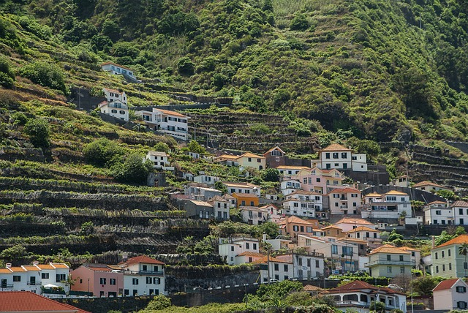
Madeira Island, located 900km from mainland Portugal, has become one of the biggest destinations for digital nomads thanks to the “Digital Nomads Madeira” project launched in 2020. A joint initiative between Startup Madeira and the Government of Madeira during the period of the pandemic meant to attract digital nomads from all over the world to live on the island and promote tourism. The island has surprisingly fast internet speeds, lots of coworking spaces, stunning views, warm and sunny climate year round, and plenty of outdoor activities.

Not sure how this fits your strategy?
A focused consultation to assess your objectives and shortlist the right options.
Housing for Digital Nomads
Co-living SpacesFor digital nomads in Portugal who want to find great located apartments while saving money, co-living spaces are a great alternative. Common areas like the kitchen, living room, and remote work spaces are shared, and private bedrooms are furnished. Co-living allows digital nomads to live with other professionals who probably have similar hobbies and remote work schedules. High-speed internet, cleaning services, laundry facilities, and access to common areas where residents can interact, network, and work together are examples of amenities that are typically included.
We’ve put together a list of some of the most popular co-living setups in Portugal.
- Outsite Lisbon: Located in the heart of Lisbon, Outsite Lisbon is a co-living space designed specifically for digital nomads. It offers private and shared rooms, as well as co-working space and common areas for socializing.
- Heden Cascais: Located in Cascais, Heden Cascais is a modern and elegant co-living space. It has private and shared rooms, as well as common areas for socializing, such as kitchen and living room.
- Colina Flats: Located in Porto, Colina Flats is a co-living space with a cozy and modern environment. It has private and shared rooms, as well as common areas for socializing and community events.
- Selina: With several locations in Portugal, including Lisbon, Porto and Ericeira, Selina is a co-living and coworking space with a creative lifestyle. It offers private and shared rooms, as well as coworking spaces and common areas for socializing.
- Tings Lisbon: Located in Lisbon, Tings Lisbon is a co-living space with a modern decor and relaxed atmosphere. It has private and shared rooms as well as a common area for socializing and community events.
- Givensa Cowork & Coliving: Located in Braga, Givensa Cowork & Coliving is a studio residence for digital nomads with a warm and friendly atmosphere. It offers studios with a full kitchen and common areas for socializing and community events.
Housing for Digital Nomads
For couples or single digital nomads who can comfortably fit in a tiny space that still provides everything they need, studio spaces are a good alternative to co-living because they offer greater privacy. Some of these multipurpose areas even feature a small terrace or balcony, which is a great plus!
Below are some of the most favored Studio residences in Portugal.
- Outpost Lisbon: Located in Lisbon, Outpost Lisbon is a studio residence space for digital nomads. It offers private rooms and studios with full kitchen facilities, as well as common areas for socializing and community events.
- Surf Office Lisbon: Located in the center of Lisbon, Surf Office Lisbon is a studio residence space for digital nomads with a relaxed atmosphere. It offers full kitchen studios and common areas for socializing.
- The Bungalow: Located in Porto, The Bungalow is a studio residence space for digital nomads with a modern and stylish decor. It offers studios with a full kitchen and common areas for socializing and community events.
- Digital Nomad Village: Located in Aljezur, Algarve, Digital Nomad Village is a studio residence for digital nomads with a rural and relaxed atmosphere. It offers studios with a full kitchen and common areas for socializing and community events.
Similar to co-living spaces, hostels are less permanent budget-friendly accommodation options with shared living spaces for travelers. With dormitory-style rooms with bunk beds and shared living areas, such as restrooms, the hostels offer a good option for those looking to cut costs on lodging, stay for a brief period of time, and probably meet new people in similar circumstances.
Investing in a propertyIf you plan to stay in Portugal for the long term it’s wise to consider investing in a property of your own to call home. Unfortunately the Golden Visa program is now closed, but there are still benefits to owning property in Portugal. The question of why rent when you can buy is a common one. Naturally, establishing roots is not the norm for nomads, but if it attracts your interest, we can help. Lincoln Global Partners has an exceptional property portfolio which offers a range of property investment options throughout Portugal.
Best Coworking SpacesFor digital nomads looking for flexible and adaptable co-working spaces in Portugal, here are some of the best options:
Second Home Lisboa: Located in Mercado da Ribeira, Second Home Lisboa is an innovative co-working space. It has a plant-inspired decor and a wide variety of events for members.
Heden Lisbon: A warm and modern environment. It offers a variety of services, including meeting rooms and private call spaces.
Creative Hub Lisbon: Located in Santos in Lisbon, Creative Hub Lisbon has a creative and dynamic environment, ideal for digital nomads looking for inspiration and collaboration. The space offers flexible co-working services and a program of cultural and artistic events.
Cowork Central: Located in Porto’s historic center, Cowork Central is a modern co-working space with flexible services and an international community of digital nomads. Cowork Central also organizes regular networking and training events.
Founders Founders: Located in Porto, it’s one of the largest coworking spaces in Portugal. Founders Founders is ideal for digital nomads looking for an entrepreneurial and networking environment of international community of startups and entrepreneurs. The space offers flexible coworking services, as well as acceleration and training programs.
IdeiaHub: Located in Coimbra, IdeiaHub enjoys a relaxed and friendly environment. It offers virtual office services, shared workspace and private offices.
Cowork Central: Located in Faro, Cowork Central is a modern and cozy coworking space. It has several membership options, including shared workspace, private offices and meeting rooms.
Nomad Village: Located in Lagos, on the Algarve coast, Nomad Village offers flexible coworking services, including monthly and daily plans. This is a perfect place for digital nomads looking for a relaxed and inspiring environment by the beach.
Pros and Cons of being a digital nomad in Portugal
There’s no denying that Portugal is an exceptional destination for digital nomads. While there can be massive benefits to living in Portugal as a digital nomad, there can also be some challenges. So let’s lay out both the potential positives and negatives.Pros and Cons of being a digital nomad in PortugalQuality of life
Portugal is renowned for its rich culture, beautiful beaches, beautiful landscapes, and pleasant climate, all of which contribute to its exceptional quality of life.
Cost of Living
The cost of living in Portugal is relatively low compared to other European countries, which means that digital nomads can live well in Portugal on a smaller budget. If you compare Portugal to North American countries like the U.S. and Canada, the cost of living is even better. Especially if digital nomads are living in Portugal yet enjoying higher salaries offered by such places. However, nomads from countries like Mexico and parts of South America may only find the cost of living to be the same or slightly higher. Essentially it’s all relative to where digital nomads are coming from and where they are employed, but overall the cost of living is more than fair.
Healthcare System
Portugal has an excellent health system. If you have met all of the residency requirements, you’ll be able to access the healthcare system in Portugal. While government healthcare in Portugal is not totally free, it’s offered at very low costs and some services are indeed free. Still, most expats and digital nomads opt for private health insurance. You will find private health insurance in Portugal at very affordable rates, so it’s also worth it.
Infrastructure
Although Portuguese cities are very historic, the quality of infrastructure overall in the country is very good. Buildings have either been restored and preserved exceptionally well or rebuilt. Most applicable to digital nomads and remote workers is the excellent digital infrastructure offered throughout Portugal, even on the island of Maderia. The Internet is fast and reliable, an essential for anyone working remotely.
Safety
Portugal is considered to be a safe country. Lisbon is often called the safest city in Europe and Porto is right alongside it. Still, keep an eye on your bags, purses and expensive items. Pickpocketing is common in crowded areas.
Climate
Although Portugal experiences an inviting climate most of the year, the summers can be very hot and dry. Temperatures are rising yearly in the summer season and this can be uncomfortable for some Digital nomads. Winter can get colder than one might expect in some parts of the country and not all homes are equipped with a good heating unit.
Language Barrier
Although many Portuguese people speak English, the official language is Portuguese. Posing a challenge for digital nomads who don’t speak the language. It certainly pays to learn some basic Portuguese to get around without hassle and explain things.
Also Read:- Portugal Golden Visa Investment Funds 2024
Portugal Digital Nomad Visa Alternatives
If the Portugal digital nomad visa doesn’t seem like the way to go for you, or you don’t fit the minimum requirements, all hope is not lost. The Portuguese government offers several alternative visa pathways. Remember the digital nomad visa only recently came into play despite nomads being long time residents of Portugal.Here are some common routes to acquire a residency permit in Portugal:
D2 Visa for Entrepreneurs
This visa is intended for entrepreneurs who wish to establish a business in Portugal, create a new company or invest in an existing business.
D7 Visa Retirement or Wealth VisaThe D7 Visa offers non EU citizens with passive incomes over €870/month (€10,440 annually) the chance to obtain residency in the country. The D7 visa is issued for 2 years and can be renewed for an additional 3 years. After 5 years of total residency, visa holders are eligible to apply for Portuguese citizenship.
Golden Visa ProgramPortugal has one of the most famous golden visa program. Investor can acquire residency with an investment of 500,000 EUR into investment funds and work their way towards citizenship after 5 years, without the need to live in the country.
Global Residency SolutionsInterested in a Complimentary Consultation with one of our specialist consultants?

Rafaela Curto Silvério
Rafaela Curto Silvério, is a Portuguese attorney specializing in immigration law, nationality, global mobility, asylum, international law, and European Union law. Rafaela has extensive experience in relocation, particularly in the submission of all types of residence visas (D1 to D9), investment visas, Schengen and short-stay visas, temporary stay visas, and other consular matters. I assist in all stages of the administrative process, from obtaining the visa to issuing the residence permit, as well as obtaining European passports.Book A Consultation
Georgea Rios
Georgea Rios, a Brazilian national based in Vienna, is our Business Development Manager. With a background in International Relations from Brazil and International Business Administration from Austria, she is the first point of contact on your journey to becoming a global citizen with us. Book A ConsultationFrequently Asked QuestionsYour Journey with Lincoln Global Partners

Citizenship by Investment (CBI) is a program that allows wealthy individuals to obtain a second citizenship by investing in a particular country. These programs are becoming increasingly popular as they offer a number of benefits, including visa-free travel, tax reduction, and a second home.
What are the benefits of obtaining a second citizenship?There are many benefits to obtaining a second citizenship, including:
- Visa-free travel: A second passport can give you visa-free access to a number of countries, making it easier to travel the world.
- Tax reduction: Some countries offer citizenship by investment programs with attractive tax benefits, such as no income tax or inheritance tax.
- A second home: Citizenship by investment can give you the right to live and work in another country. This can be a great option for those who are looking to retire abroad or who want to have a backup plan in case of political or economic instability in their home country.
Lincoln Global Partners offers citizenship by investment programs in a number of Caribbean and European countries. Some of the most popular programs include those offered by Grenada, St. Lucia, Dominica, Portugal, and Spain.
How much does it cost to obtain citizenship by investment?The cost of obtaining citizenship by investment varies depending on the country and the specific program. However, it is generally necessary to make a significant investment, such as in real estate or government bonds.
How can Lincoln Global Partners help me obtain citizenship by investment?Lincoln Global Partners is a leading provider of citizenship by investment programs. They have a team of experienced professionals who can help you choose the right program for your needs and guide you through the application process.
Enquire Now